洗濯物につく白い粉、あれ何?白いカスの取り方と予防法
洗濯機から出した時に気付く、洗濯物につく謎の白い粉。 洗濯物のポケットに入れっぱなしにしていたティッシュではなさそう? なんと、この白い粉の正体は洗剤のカスで...【2023】漢検2級の合格点は150?合格率やレベルの推移は?
漢字検定2級って耳にはしたことがあっても、実際の合格率を知ってる方って少ないんですよね。 漢字検定2級は160点が合格ラインで、合格率は約2割ととても低いんです。 ...ドコモの電話番号変更で好きな番号にできる?変え方を紹介
ドコモの電話番号変更では、電話番号の下4桁を好きな番号にすることができます。 しかし、お家に居ながら簡単にオンラインで電話番号を変更をすることはできません。 ...手作りサラダチキンの日持ちは何日?冷凍できる?作り方とおすすめの味付けなども紹介!
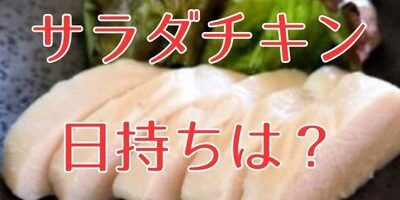
サラダチキンは5日くらい日持ちしますので、作り置きに適しています。 長く日持ちさせるには、味付けを濃いめにすることや、中まで熱を通す必要があります。 今回はサラ...断熱シートをひくと床にカビが生える?フローリングと畳それぞれ解説
断熱シートをフローリングや畳に直接敷いてしまうと、床と断熱シートに入った空気がしめって結露が発生して、やがて断熱シートと床どちらにもカビが生えてしまいます。 ...タウンページでFAX番号の検索ってできる?知らないFAX番号を調べる方法
このあいだ、あきらかに誤送信のFAXが自宅に届いたんです。 「○○様」と宛先が書かれていたので、誤送信だってすぐにわかりました。 そのときは、送信元の会社名と担当者...死んだあさりは食べられる?そもそも砂抜きできるの?スーパーで買ってきたあさりが死んでるように見える時
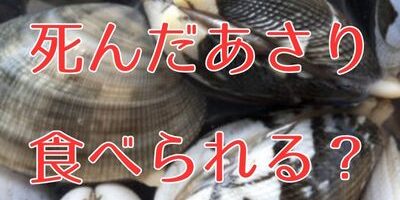
死んだあさりには貝毒が充満しており、加熱しても食べることはできません。 貝毒は、下痢、吐き気、嘔吐、麻痺などの症状を引き起こす猛毒で、加熱しても無くなりません...佐川急便で追跡できない「お荷物データが登録されておりません」って何?
佐川急便で荷物の追跡番号を検索して「お荷物データが登録されておりません」と結果が表示されるのは、情報が反映されていない、もしくはまだ佐川急便で荷物が受け付け...ファンヒーターを消し忘れたかも!火事になったりする?
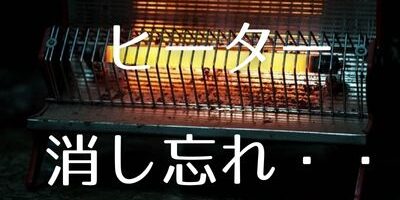
ファンヒーターの消し忘れは機種によって危険ものとそれほど危険ではないものがあります。 セラミックファンヒーターのような電気で熱を発生させるものだったら消し忘れ...080の知らない番号から電話はどこ?ヤバい電話にかけ直してしまったらどうなる
「080」から始まる電話番号は、市外局番ではなく携帯番号に使われているものです。 知らない人から何度もかかってくる場合、迷惑電話の場合があるかもしれません。 知ら...